Chimney Masonry Repair in Bettendorf, IA
Chimney tuckpointing in Bettendorf, IA. Repair spalling brick, cracked crowns, and crumbling mortar done right. Call (563) 356-0061.
Brick chimneys look solid, but water and winter are constantly working against them. Mortar joints crumble. Brick faces flake off. Crowns crack. When that damage shows up on your chimney, it's not cosmetic — it's the structure opening itself to more water and faster deterioration. Professional chimney tuckpointing in Bettendorf, IA restores the masonry before small damage turns into a rebuild.
Bettendorf's older riverfront chimneys are prime candidates. Decades of freeze-thaw cycles on aging mortar add up. If your chimney's mortar crumbles when you touch it, or you see brick faces flaking like paint, it's time for masonry repair.
Fix the Damage Before Winter Makes It Worse
Chimney masonry repair covers the structural and cosmetic restoration of the chimney's brickwork and crown. The most common repair is tuckpointing: grinding out deteriorated mortar joints and filling them with fresh mortar, matched in color and tooled to a clean finish.
Full masonry repair can also include:
- Crown repair or replacement. The concrete crown at the top of the chimney sheds water away from the flue. Cracked crowns let water straight into the masonry.
- Brick replacement. Spalled bricks — where the face of the brick has flaked off — get replaced with matching brick.
- Waterproofing. A breathable masonry sealer applied after repairs, to slow water absorption without trapping moisture inside.
See cracked mortar or flaking brick? Call (563) 356-0061 before freeze-thaw turns a small fix into a big one.
Why Bettendorf Masonry Takes Such a Beating
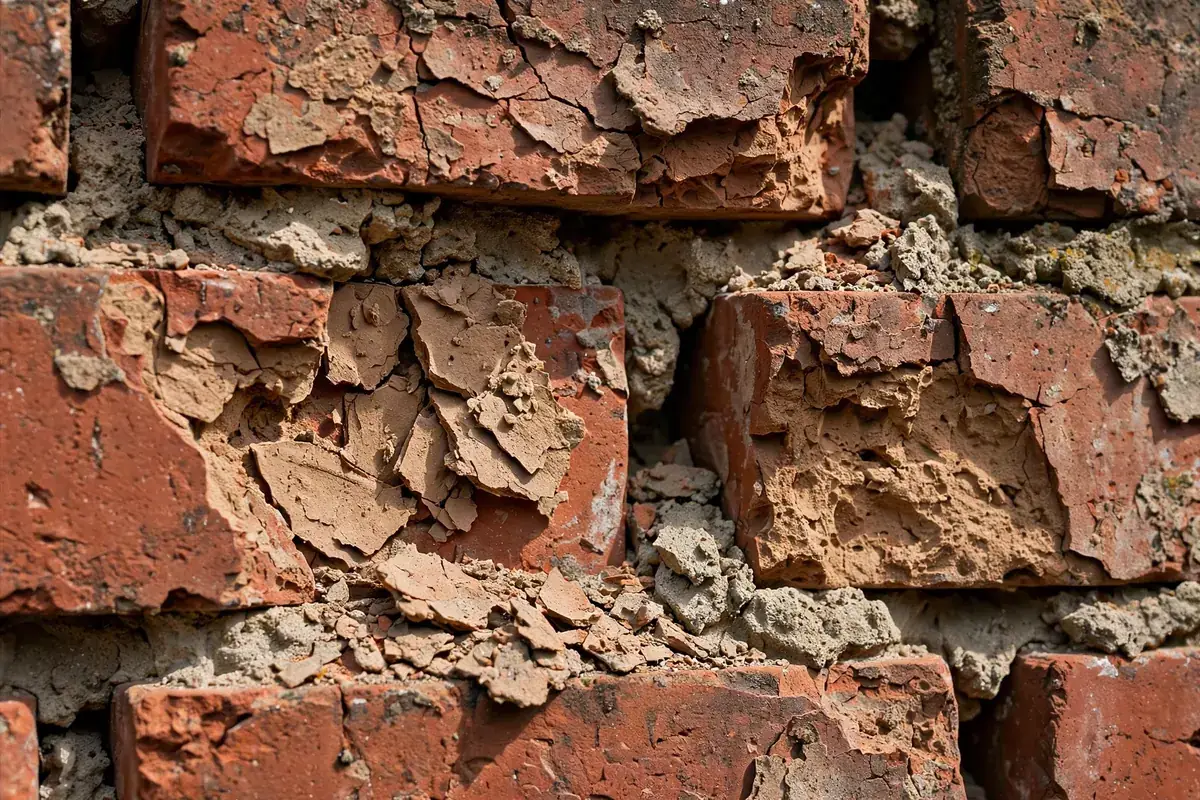
Iowa's freeze-thaw cycle is the number-one cause of chimney masonry damage. Water enters the mortar joints and the porous brick. Winter freezes it. Ice expands and pushes the mortar and brick apart. Spring thaws it. Each cycle opens the cracks a little wider.
Bettendorf sits on the Mississippi, so the air stays humid and the freeze-thaw swings hit hard. Riverfront and downtown-area homes with chimneys from the mid-1900s or earlier have often gone through 60-plus winters without repair. The mortar is soft, the brick faces are spalling, and the crown is likely cracked.
Chimneys take more abuse than the rest of the house. They stand exposed on all sides, with no eave protection. They heat up and cool down with every fire. And most homeowners never look at theirs closely until something visibly falls off. By then, the water damage has usually spread deeper than the surface shows.
If your chimney is showing its age, call (563) 356-0061 — we'll take a look and tell you exactly what it needs.
Spalling, Cracked Crowns, and Bad Mortar: What to Look For
Spalling brick. The face of the brick flakes, chips, or peels away. This means water has been getting into the brick and freezing. Spalled bricks lose strength and let more water in. They need replacement, not just patching.
Cracked crowns. The crown is the concrete slab at the top of the chimney, sloped to shed water. Cracks in the crown — especially cracks running from the flue outward — let rain pour into the masonry below. A cracked crown is one of the most common and most consequential chimney problems.
Deteriorated mortar joints. If you can scrape mortar out of the joints with a screwdriver, or pieces fall out on their own, the joints are shot. Failed joints let water in and loosen the bricks they hold together. Tuckpointing grinds out the bad mortar and replaces it — restoring the structure's strength, not just its looks.
White staining (efflorescence). A white, powdery crust on the brick means water is moving through the masonry and carrying salts to the surface. It's a signal that the chimney is absorbing water — the precursor to spalling and mortar failure.
See any of these on your chimney? Call (563) 356-0061 — we'll inspect it up close and tell you exactly what it needs.
How Tuckpointing and Masonry Repair Work
- Inspection. The chimney is examined up close: mortar condition, brick condition, crown, and flashing. The repair scope gets defined — which joints need work, which bricks need replacing, whether the crown needs repair or a full replacement.
- Mortar removal. Deteriorated mortar is ground or raked out to a proper depth — usually about 3/4 of an inch — without damaging the surrounding brick.
- Brick replacement. Spalled or structurally damaged bricks are removed and replaced with matching brick, bedded in fresh mortar.
- Repointing. New mortar is packed into the joints, tooled to a clean, weather-tight finish, and matched to the existing mortar color as closely as possible.
- Crown work. Cracks get sealed or the crown gets rebuilt, sloped correctly so water runs off instead of pooling.
- Waterproofing (optional). A vapor-permeable masonry sealer can be applied after the mortar cures, slowing future water absorption while letting trapped moisture escape.
Repairs are done with proper mortar — a mix suited to the age and type of the brick, not a hard modern mortar that can crack older, softer brick. Matching the mortar to the masonry matters for both appearance and durability.
Masonry work done right lasts decades. Call (563) 356-0061 to get your chimney assessed before winter.
Signs Your Chimney Needs Masonry Repair
- Mortar joints that crumble, crack, or fall out in pieces
- Brick faces flaking, chipping, or peeling (spalling)
- Visible cracks in the crown at the top of the chimney
- White powdery staining on the brick
- Bricks that feel loose or shift when touched
- Water stains on the ceiling or wall near the chimney inside the house
- The chimney visibly leans
Check off even one of those? Don't wait for the next freeze-thaw cycle — call (563) 356-0061 today.
Frequently Asked Questions
Why do brick chimneys fall apart in Iowa?
Freeze-thaw cycles. Water soaks into mortar joints and brick faces, freezes, expands, and pops the surface off — a little more damage every winter. Bettendorf's older riverfront chimneys take the worst of it thanks to Mississippi humidity feeding the cycle.
What is tuckpointing?
It's the process of grinding out deteriorated mortar joints and packing in fresh mortar. It restores the chimney's structural bond and its weather resistance. Most masonry chimneys need it at some point — it's normal maintenance, not a sign the chimney is failing.
What is spalling, and can it be fixed?
Spalling is when brick faces flake, peel, or pop off from freeze-thaw damage. Light spalling can be sealed once the cause is addressed; badly spalled bricks need to be cut out and replaced. Catching it early keeps a tuckpointing job from becoming a rebuild.
How do I know if my chimney crown needs repair?
Look for cracks in the concrete slab at the very top of the chimney. The crown's job is to shed water away from the flue and the masonry below — once it cracks, water gets in and freeze-thaw does the rest. Hairline cracks can be sealed; badly cracked crowns get rebuilt.
Can you match the brick on my older home?
We source brick to match as closely as possible, including the older sizes and colors common in Bettendorf's historic neighborhoods. An exact match on decades-old brick isn't always possible, but we get it close enough that repairs don't stick out.
Get Your Chimney Masonry Assessed
Crumbling mortar and spalling brick don't fix themselves — they get worse every winter. If your Bettendorf chimney is showing its age, get an honest assessment before the damage spreads. Call (563) 356-0061 for chimney tuckpointing and masonry repair in Bettendorf, Iowa and the Quad Cities area. We'll inspect the chimney, show you exactly what's failing, and recommend the right repair.
Need a chimney sweep in Bettendorf?
Book your annual chimney sweeping or inspection with ChimneyCare today.