Chimney Cleaning in Bettendorf, IA
Professional chimney cleaning in Bettendorf, IA. Creosote removal done to NFPA 211 standards. Keep your fireplace safe all winter. Call (563) 356-0061.
A chimney that burns wood regularly collects creosote every season. Left alone, that buildup narrows the flue, drags down the draft, and raises the risk of a chimney fire. Professional chimney cleaning in Bettendorf, IA removes that buildup safely, so your fireplace or wood stove works the way it should all winter.
We clean chimneys for regular wood burners, weekend fireplace users, and anyone who bought a home with a fireplace and doesn't know the last time it was cleaned. The work is done to NFPA 211 standards, and a full chimney inspection is part of every visit.
What a Professional Sweep Does for You
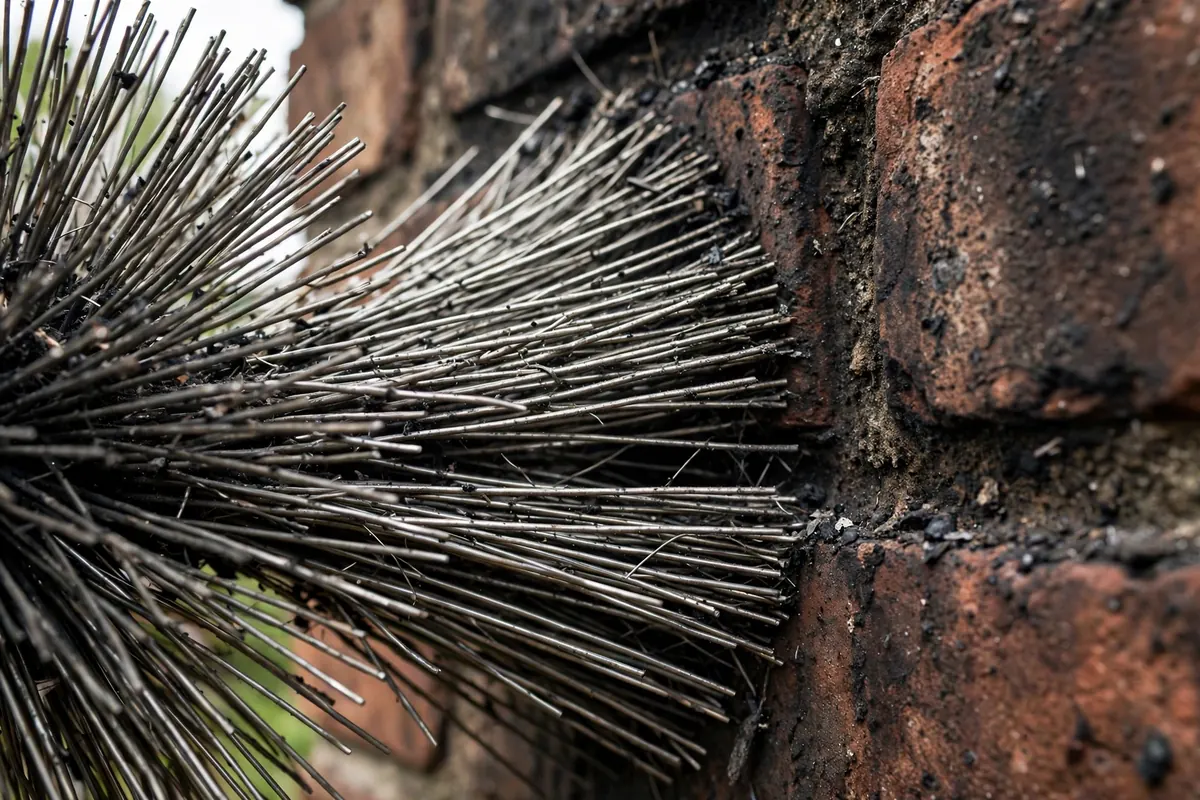
Chimney sweeping is the mechanical cleaning of the flue. A sweep uses brushes and rods sized to your flue to scrub the interior walls. The goal is to remove soot, creosote, and debris that reduce airflow and create fire hazards.
A sweeping visit covers more than the flue. The firebox gets cleaned. The smoke shelf gets checked. The damper gets inspected for proper operation. Blockages from nests or fallen debris get cleared. The sweep then checks that the whole system is in safe, working order before leaving.
That's what a visit looks like — thorough, clean, and done in under two hours. Call (563) 356-0061 to get yours scheduled.
Why Bettendorf Chimneys Need It Now
Iowa winters put chimneys through hard cycles. Freezing temperatures outside, hot fires inside. The masonry and the flue expand and contract over and over. That cycling can crack flue tiles and open mortar joints, and creosote settles into every rough spot.
Bettendorf's Mississippi river humidity adds moisture to the mix. Damp conditions push homeowners toward slow, "slumber" burns to keep a fire going longer, and those slow burns produce more creosote than hot, clean fires. The river also means animal activity. Raccoons, birds, and squirrels nest in uncapped chimneys, and a nest blockage can push smoke and carbon monoxide back into the house.
Older neighborhoods in Bettendorf — around State Street and the older riverfront streets — have original masonry chimneys from decades ago. Many haven't been cleaned or inspected in years. If you just bought a home with a wood-burning fireplace, a cleaning and inspection is the smart first step before the first fire.
Don't head into burning season guessing about your flue. Call (563) 356-0061 and get this year's cleaning on the books.
Creosote: The Main Reason You Need It
Creosote builds up in stages, and each stage is harder to remove than the last:
- Stage 1 — Flaky, dusty soot. Wipes away easily with a brush. This is what a routine annual cleaning removes.
- Stage 2 — Hard, tar-like deposits. Shiny, crunchy flakes. Needs stiff brushes and more effort.
- Stage 3 — Glazed creosote. A hard, glossy coating that looks like it was baked on. Highly flammable. Can require chemical treatment or rotary tools to remove.
Once buildup passes about 1/8 of an inch thick, it needs a professional cleaning. Regular wood burners — those who burn most days in winter — should schedule a cleaning every year. Occasional users can often go longer, but only if an annual inspection confirms the flue is clear.
A few things speed up creosote formation. Burning unseasoned wood is the biggest one. Firewood should test under 20 percent moisture. Wet wood smolders, makes smoke, and coats the flue. Slow, smoldering burns for the same reason. Cleaning logs and additives don't replace brushing — they may help loosen deposits between visits, but they don't clean a chimney on their own. If you burn regularly, call (563) 356-0061 and get this year's cleaning on the schedule before the cold sets in.
How Our Sweeping Service Works
A typical chimney cleaning takes 45 to 90 minutes. The house stays clean: drop cloths go down in front of the fireplace, and a high-filtration vacuum captures soot at the source.
- Setup and protection. Drop cloths cover the floor and hearth. A vacuum line runs to the fireplace to catch airborne soot.
- Firebox and smoke shelf cleaning. Loose ash, soot, and debris are removed by hand first.
- Flue brushing. Brushes matched to the flue size scrub from top to bottom, breaking creosote off the walls.
- Damper and blockage check. The damper is opened and closed to confirm it works. Nests and debris are pulled out.
- Inspection. A Level 1 inspection of all accessible parts is included, done to NFPA 211 standards. If damage or heavy glazed creosote is found, it's flagged with recommended next steps.
- Cleanup. Everything gets wiped down. The ash and soot go out with the sweep, not into your trash.
One visit, under two hours, house stays clean. Call (563) 356-0061 to book yours.
Signs Your Chimney Needs Sweeping
- Strong, sour smoke smell coming from the fireplace even when it's not in use
- Fires that smoke up the room instead of drawing cleanly
- A black, tarry, or glassy coating visible inside the flue
- Burning more than a cord or two a year and never having it cleaned
- Animal sounds or visible nesting material near the flue
- It's been a year or more since the last cleaning and you burn regularly
See yourself in that list? Don't wait for the first cold snap — call (563) 356-0061 today.
Frequently Asked Questions
How often should my chimney be swept?
At least once a year if you burn wood regularly — that's the NFPA 211 recommendation. Creosote builds up with every fire, and once it passes about an eighth of an inch, it's a fire risk. Even light seasonal use deserves an annual inspection to be safe.
What does a chimney sweeping actually include?
We seal the fireplace opening, brush the full length of the flue, and clear the smoke shelf, smoke chamber, and firebox. While we're in there we check the cap, crown, flashing, and visible masonry, and you get a plain-English report of anything that needs attention.
Will sweeping leave soot all over my living room?
No. We lay drop cloths, seal the fireplace with a barrier, and run a high-filtration vacuum during brushing. The soot ends up in our equipment, not on your furniture or carpet.
How long does a sweeping take?
Most take 45 to 90 minutes. Heavily used chimneys with thick creosote can take longer, and we'll tell you upfront if that's the case.
What's the difference between a sweeping and an inspection?
Sweeping cleans the flue; inspection evaluates its condition. A Level 1 inspection is usually done alongside the sweeping and covers everything readily accessible. Deeper inspections (Levels 2 and 3) are for home sales, fuel changes, or suspected damage.
Book Your Chimney Cleaning Today
A clean chimney is a safer chimney, and in a Bettendorf winter you rely on your fireplace for months. If it's been a year or more since the last cleaning, or you just moved into a home with a fireplace, now is the time.
Call (563) 356-0061 to schedule your chimney cleaning. We serve Bettendorf, Iowa and the surrounding Quad Cities area. Every visit includes a full NFPA 211 Level 1 inspection, so you know exactly where your chimney stands.
Need a chimney sweep in Bettendorf?
Book your annual chimney sweeping or inspection with ChimneyCare today.